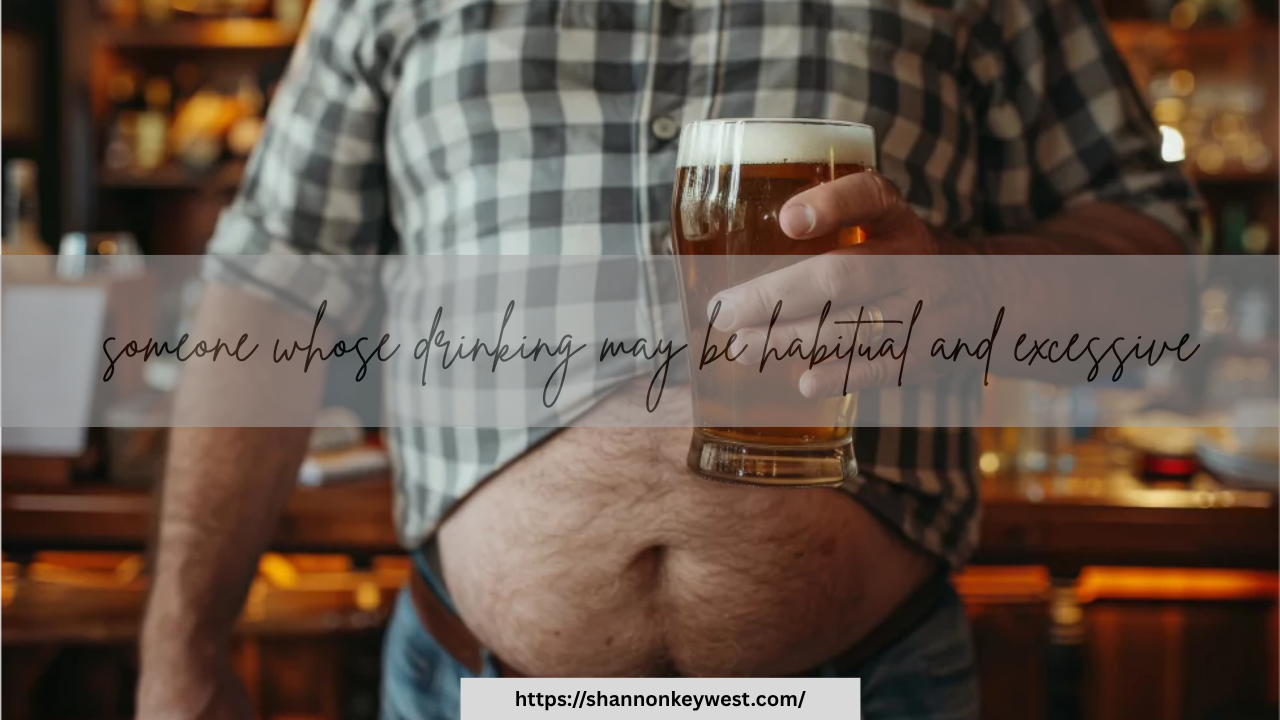
 Beer is often seen as the friendly face of alcohol — easygoing, social, and harmless in moderation. Many people start drinking beer casually, whether it’s during a cookout, while watching sports, or just to unwind after work. But what happens when that innocent habit begins to creep into daily life, turning into something more frequent, more necessary, and harder to control? That’s when the casual beer drinker may unknowingly cross the line into “beer swiller” territory — and possibly into problematic drinking.
The Slippery Slope of Routine
For most, beer drinking begins socially and sporadically. A few on the weekends. Maybe one or two after work. But over time, casual drinking can become a routine — something you do out of habit, not desire. Perhaps you reach for a beer automatically every evening or crack one open without even thinking about it. That’s often the first sign of a shift: when beer is no longer a treat, but a part of your daily rhythm.
The danger lies in the subtlety of the transition. Unlike hard liquor or binge drinking episodes that set off alarms, beer’s laid-back image makes it easier to overlook. You might not feel “drunk” every day, but you may still be drinking more than what’s considered healthy — and more than you realize.
When Enjoyment Turns Into Dependence
One of the defining features of a beer swiller is psychological reliance. You might tell yourself you just “enjoy the taste” or “need to relax,” but if you find it hard to skip a night without beer, that could be a sign of growing dependence. This doesn’t mean you’re an alcoholic, but it does suggest that your body and mind are starting to expect beer as part of your daily coping mechanisms.
Common red flags include:
-
Needing more beer to feel the same level of relaxation.
-
Feeling irritated or restless without it.
-
Drinking even when you said you wouldn’t.
-
Using beer as your main way to deal with stress, sadness, or boredom.
Socially Acceptable Doesn’t Mean Safe
Because beer is so socially accepted — and even culturally celebrated — it’s easy to downplay its risks. But regular heavy beer consumption can lead to serious health issues, including liver damage, weight gain, high blood pressure, and mental health challenges like anxiety or depression.
Moreover, beer swilling can start to impact your social life and responsibilities. You may find yourself skipping workouts, falling behind at work, or becoming less engaged with family — not because you’re intoxicated, but because beer has gradually become the priority.
Taking Back Control
If you suspect your beer habit is getting out of hand, it’s never too early to reassess. Try taking a break and see how you feel. Are you irritable? Do you miss it more than you expected? These reactions are telling.
Consider setting limits, exploring healthier stress outlets, or even talking to a counselor or support group. You don’t have to wait for rock bottom to make a change.
Conclusion: Stay Aware, Stay Balanced
Beer is enjoyable — and in moderation, it can be part of a healthy lifestyle. But when your favorite beverage turns into a daily necessity, it’s time to take a closer look. Awareness is the first step toward balance. Don’t let beer quietly take the driver’s seat in your life.