The Impact of Beer Swilling on Mental and Physical Health

Beer often carries a reputation as a lighter, more casual form of alcohol. It is part of social gatherings, celebrations, and moments of relaxation. But when occasional drinking turns into frequent or heavy beer swilling, the consequences can reach far beyond a hangover. Excessive beer consumption affects both the body and the mind, often creating cycles of dependence that are difficult to break without support.

At Shannon Institute Key West, we recognize that what may start as a social habit can quietly evolve into a harmful pattern. By addressing the physical and mental impact of beer swilling, we help individuals understand the risks and find healthier paths forward.


The Physical Health Risks of Beer Swilling

Strain on the Liver and Digestive System

The liver plays a central role in processing alcohol. Regular beer swilling overwhelms this vital organ, leading to conditions such as fatty liver, alcoholic hepatitis, or cirrhosis. The digestive system can also be affected, resulting in stomach inflammation, ulcers, or long-term pancreatic issues.

Weight Gain and Metabolic Concerns

Beer is calorie-dense and high in carbohydrates. Over time, heavy consumption often leads to weight gain, obesity, and related conditions such as diabetes and high blood pressure. These risks are compounded when drinking becomes daily or excessive, increasing the likelihood of heart disease or stroke.

Sleep Disruption and Fatigue

Although alcohol may make a person feel sleepy initially, it disrupts the quality of rest. Beer swilling often contributes to poor sleep cycles, leaving the body exhausted, foggy, and unable to fully recover. Chronic fatigue becomes a barrier to productivity, health, and overall well-being.


The Mental Health Impact of Beer Swilling

Anxiety and Depression

Alcohol is a depressant. While it may offer temporary relief from stress, frequent drinking often worsens underlying mental health challenges. Beer swilling can intensify anxiety, deepen depression, and create emotional instability. Over time, individuals may feel trapped in a cycle of drinking to manage feelings that alcohol itself is making worse.

Cognitive Function and Memory

Heavy beer consumption impairs brain function. Regular swilling affects concentration, decision-making, and memory retention. For many, this cognitive decline makes it harder to maintain work performance, family responsibilities, and healthy relationships.

Emotional Dependence and Isolation

Beer swilling often shifts from social drinking to private reliance. When alcohol becomes the primary coping mechanism for stress or pain, it creates emotional dependence. This not only isolates individuals from loved ones but also prevents them from developing healthier, long-term coping strategies.


Breaking the Cycle with Holistic Recovery

Professional Support Makes the Difference

Recognizing the impact of beer swilling is the first step. At Shannon Institute, we provide inpatient and outpatient care designed to meet clients where they are in their recovery journey. Through personalized treatment plans, we address both the physical damage and the emotional roots of drinking habits.

Treating the Whole Person

Our approach combines addiction recovery services, mental health treatment, and holistic practices to create lasting change. Clients benefit from therapy, faith-based support, nutritional guidance, and wellness strategies that restore balance to mind, body, and spirit.

Building Sustainable Coping Skills

Lasting recovery is about more than abstaining from alcohol. It is about building a life that no longer relies on it. We help clients develop practical tools for stress management, emotional regulation, and healthy connection with others.


Take the First Step Toward Healing

Beer swilling might seem harmless at first, but its impact on physical and mental health is undeniable. If drinking has begun to affect your energy, relationships, or peace of mind, it may be time to seek help.

At Shannon Institute Key West, we are here to walk with you toward healing. Our compassionate, client-centered care is built on dignity, hope, and proven recovery strategies. You do not have to face this journey alone.

Reach out today at Shannon Institute Key West and take the first step toward a healthier, more fulfilling life.

Emotional Stability and Sobriety: Building a Mental Health Foundation for Recovery

A solid foundation of emotional stability is essential for lasting sobriety. At Stone Hawk West, we understand that mental health and addiction recovery are deeply connected. Emotional wellness is not just a luxury—it is the anchor that helps you navigate cravings, stress, and setbacks with resilience. This article explores how emotional stability supports sobriety and offers practical guidance for building mental health into your recovery journey.

Why Emotional Stability Matters in Recovery

Emotional stability reduces the power of relapse triggers such as anxiety, unresolved trauma, or emotional pain. When individuals receive care at Stone Hawk West’s programs—both inpatient and outpatient—they benefit from personalized, holistic therapeutic approaches designed to balance mind and spirit (Stone Hawk West integrates recovery with mental health treatment. A faith‑based, individualized recovery plan addresses emotional and psychological needs with equal weight to physical sobriety.

Emotionally stable individuals are better equipped to face the unexpected, stay grounded during cravings, and sustain a recovery mindset over time.

Personalizing Your Emotional Wellness Plan

 Assess Your Emotional Triggers

Identify the feelings or situations that destabilize you—stress, loneliness, guilt, or even excitement. Stone Hawk West uses clinical assessment tools and therapy to uncover early warning signs and dual-diagnosis symptoms such as depression or anxiety (involving mental health treatment alongside addiction care

Harness Evidence-Based Therapies

Stone Hawk West’s compassionate professionals offer therapy modalities tailored to each person. Cognitive Behavioral Therapy, trauma-informed care, and faith-informed counseling work together to support emotional resilience. These evidence‑based therapies help clients process emotions, reframe negative thinking, and regulate stress responses.

Integrate Holistic and Spiritual Practices

Recovery is not just about stopping substance use. Stone Hawk West provides holistic and faith-based interventions—like chaplain support, spiritual group sessions, and emotional guidance linked to holistic care (Stone Hawk West highlights a faith‑based and individualized approach. Practices such as mindfulness, prayer, journaling, or meditation help stabilize emotions while aligning with faith and values.

Daily Emotional Wellness Strategies

Practice Mindfulness and Stress Reduction

Incorporate mindfulness into your routine through guided breathing or brief pauses. This builds awareness of emotional shifts and reduces impulsive reactions to stress or cravings.

Develop a Balanced Self‑Care Routine

Aim for regular sleep, nutritious meals, movement, and time with supportive peers. Stone Hawk West’s outpatient and inpatient settings support structured daily routines that reinforce stability and reduce isolation.

Stay Connected and Accountable

Meaningful relationships are essential. At Stone Hawk West, clients connect with therapists, sponsors or faith‑based mentors who support emotional clarity and sobriety (client‑centered support system). Join group therapy or recovery groups that honor both mental health and spiritual growth.

Overcoming Emotional Setbacks

When emotional instability arises—whether due to grief, conflict, or stress—a plan helps maintain momentum. Reach out immediately to your care team or support network. Revisit therapeutic insights and spiritual guidance to re-center. Stone Hawk West encourages proactive check-ins and adjustment of care plans to meet evolving emotional needs.

Conclusion

Emotional stability is the heart of sustained recovery. When you build mental wellness practices into each day and tap into compassionate, personalized care that honors your whole self, healing becomes possible in body, mind, and spirit. At Stone Hawk West we provide integrated addiction services, mental health treatment, inpatient and outpatient care, and holistic, faith‑based approaches to ensure you are seen and supported fully.

If you or a loved one are seeking recovery that respects emotional and spiritual needs, reach out to Stone Hawk West today. Our team is ready to help you build a strong foundation for lasting sobriety and meaningful life transformation.

Understanding the Hidden Struggle Behind Beer Swilling

For many, beer is seen as a casual part of life—a way to relax after work, socialize with friends, or celebrate on the weekends. But when casual drinking becomes daily behavior, and when “just one” turns into several without pause, it may no longer be harmless. Beer swilling, or the regular, excessive consumption of beer, often starts subtly. Over time, it can develop into a destructive habit that affects mental health, relationships, and overall well-being.

At Shannon Institute in Key West, we understand that addiction doesn’t always look like the stereotypical image portrayed in media. It can show up in quiet ways—like the beer that slowly becomes a coping mechanism rather than a simple indulgence. Breaking the cycle of beer swilling requires compassion, self-awareness, and the right support system. Fortunately, recovery is possible, and it starts with understanding both the behavior and the tools needed to heal.


What Makes Beer Swilling Different from Casual Drinking?

Habitual Use vs. Intentional Choice

Casual drinkers typically maintain control over their alcohol consumption. Beer swillers, on the other hand, may find themselves drinking out of routine rather than desire. This pattern becomes especially dangerous when it’s used to numb stress, sadness, or anxiety.

The Illusion of “Safe” Drinking

Because beer is lower in alcohol content than liquor, many assume it’s safer. However, frequent consumption over time can cause just as much damage. It affects physical health, clouds emotional awareness, and creates a false sense of comfort that delays deeper healing.


Why Breaking the Cycle Is So Difficult

Alcohol use, especially in social or relaxed settings, is often normalized. This makes it easy for individuals to overlook the impact it has on their physical and emotional health. Over time, beer swilling may lead to:

  • Increased tolerance and dependence

  • Difficulty stopping or cutting back

  • Strained relationships and social isolation

  • Mental health challenges such as anxiety or depression

Acknowledging the problem is often the hardest step, especially when drinking feels “normal.” But change begins with honesty—and support.


Strategies for Recovery That Work

1. Seek Professional Support

One of the most effective ways to break the cycle is through professional care. At Shannon Institute, we offer inpatient and outpatient treatment programs tailored to meet each client’s unique needs. Our clinicians work closely with individuals to uncover the roots of their drinking habits and replace them with healthy coping strategies.

2. Address Mental Health Holistically

Many people swill beer not just for pleasure, but to mask deeper emotional pain. We offer integrated mental health treatment that addresses both the physical and psychological sides of addiction. This includes counseling, trauma-informed therapy, and dual diagnosis care for co-occurring conditions.

3. Incorporate Faith and Holistic Healing

Our faith-based and holistic approach helps clients reconnect with their inner purpose. Through spiritual support, mindfulness practices, nutrition, and wellness therapies, we help individuals rebuild from the inside out.

4. Create a Personalized Recovery Plan

Addiction is never one-size-fits-all. We provide individualized care that meets each person where they are. Whether it’s through one-on-one therapy, group sessions, or family involvement, we help clients build the skills they need for lasting recovery.


Healing Is Possible—Let Us Help You Start

If you or someone you love is stuck in the cycle of beer swilling, you are not alone. Recovery is not about shame or blame. It’s about recognizing the harm, understanding the need for change, and taking real steps toward healing.

At Shannon Institute Key West, we believe in treating the whole person—not just the symptoms. Our compassionate team is here to support your journey with dignity, respect, and real expertise. Whether you’re ready for inpatient treatment or looking for a flexible outpatient option, we can help you find a path that works.


Take the First Step Today

You don’t have to wait until you hit rock bottom. If beer has become more than a social drink—if it’s affecting your health, peace, or relationships—it’s time to reach out. Contact Shannon Institute Key West today to speak with a member of our team. A healthier, purpose-filled life is waiting. Let’s walk that journey together.

Is Beer Swilling a Gateway to Alcohol Addiction?

Beer holds a unique place in social culture — it’s often seen as the more “casual” and less intimidating form of alcohol. Whether it’s sipped at sporting events, enjoyed at cookouts, or used to unwind after a stressful day, beer is widely accepted as a normal part of adult life. However, beneath this laid-back image lies a critical question: can beer swilling become a gateway to alcohol addiction?

The answer isn’t always straightforward. While not every person who drinks beer excessively becomes addicted, regular beer swilling — meaning high-frequency, high-quantity beer consumption — can indeed pave the way toward dependence and addiction if left unchecked.

The Comfort of Familiarity

One of the reasons beer can become a gateway to addiction is its accessibility and social acceptability. A beer here and there rarely raises eyebrows. But when casual consumption turns into a daily or nightly habit, it begins to normalize alcohol as a coping mechanism. Over time, the brain starts to associate beer with relief, relaxation, or emotional escape, setting the stage for psychological dependence.

When this happens, beer is no longer a choice — it becomes a need. What once felt harmless gradually develops into a pattern that’s hard to break, even when negative consequences begin to surface.

Building Tolerance: A Slippery Slope

The more frequently someone drinks beer, the more their body adapts to alcohol. This process is known as tolerance — the same amount of alcohol no longer produces the same effect. As a result, the beer swiller begins to consume more just to feel relaxed or buzzed.

This escalating behavior increases the risk of addiction. As tolerance builds, so does the likelihood of turning to stronger drinks to chase the same effects. For many, this is where beer acts as a gateway — not just to addiction, but to more potent forms of alcohol that accelerate the addiction cycle.

Overlooking the Risks

Because beer is typically lower in alcohol content than liquor, many people believe it’s safer. But this belief can be misleading. Drinking six or more beers a day can easily match — or exceed — the alcohol content found in several shots of hard liquor.

Moreover, the slow build-up of beer-related addiction can go unnoticed. A person may not appear “drunk” or out of control, but they may still be physically and emotionally dependent. This hidden progression is one of the reasons beer swilling is so dangerous — the warning signs are subtle, yet the damage can be deep.

Is It Time to Reevaluate?

Ask yourself: Is beer your go-to after every stressful moment? Do you feel uneasy if you skip a day? Have your one or two beers become four or five — every night? These are not just casual habits; they could be early markers of dependency.

Conclusion: Awareness Is Prevention

Beer swilling may seem like a harmless pleasure, but over time, it can become a stepping stone to alcohol addiction. By recognizing the early signs — like increased tolerance, emotional reliance, and habitual overdrinking — individuals can make conscious choices to change direction before addiction takes hold. The path from beer enjoyment to alcohol dependence is gradual, but with self-awareness and support, it’s entirely preventable.

Ask ChatGPT

From Casual Beer Drinker to Swiller: When Your Favorite Beverage Turns Into a Problem

Beer is often seen as the friendly face of alcohol — easygoing, social, and harmless in moderation. Many people start drinking beer casually, whether it’s during a cookout, while watching sports, or just to unwind after work. But what happens when that innocent habit begins to creep into daily life, turning into something more frequent, more necessary, and harder to control? That’s when the casual beer drinker may unknowingly cross the line into “beer swiller” territory — and possibly into problematic drinking.

The Slippery Slope of Routine

For most, beer drinking begins socially and sporadically. A few on the weekends. Maybe one or two after work. But over time, casual drinking can become a routine — something you do out of habit, not desire. Perhaps you reach for a beer automatically every evening or crack one open without even thinking about it. That’s often the first sign of a shift: when beer is no longer a treat, but a part of your daily rhythm.

The danger lies in the subtlety of the transition. Unlike hard liquor or binge drinking episodes that set off alarms, beer’s laid-back image makes it easier to overlook. You might not feel “drunk” every day, but you may still be drinking more than what’s considered healthy — and more than you realize.

When Enjoyment Turns Into Dependence

One of the defining features of a beer swiller is psychological reliance. You might tell yourself you just “enjoy the taste” or “need to relax,” but if you find it hard to skip a night without beer, that could be a sign of growing dependence. This doesn’t mean you’re an alcoholic, but it does suggest that your body and mind are starting to expect beer as part of your daily coping mechanisms.

Common red flags include:

  • Needing more beer to feel the same level of relaxation.

  • Feeling irritated or restless without it.

  • Drinking even when you said you wouldn’t.

  • Using beer as your main way to deal with stress, sadness, or boredom.

Socially Acceptable Doesn’t Mean Safe

Because beer is so socially accepted — and even culturally celebrated — it’s easy to downplay its risks. But regular heavy beer consumption can lead to serious health issues, including liver damage, weight gain, high blood pressure, and mental health challenges like anxiety or depression.

Moreover, beer swilling can start to impact your social life and responsibilities. You may find yourself skipping workouts, falling behind at work, or becoming less engaged with family — not because you’re intoxicated, but because beer has gradually become the priority.

Taking Back Control

If you suspect your beer habit is getting out of hand, it’s never too early to reassess. Try taking a break and see how you feel. Are you irritable? Do you miss it more than you expected? These reactions are telling.

Consider setting limits, exploring healthier stress outlets, or even talking to a counselor or support group. You don’t have to wait for rock bottom to make a change.

Conclusion: Stay Aware, Stay Balanced

Beer is enjoyable — and in moderation, it can be part of a healthy lifestyle. But when your favorite beverage turns into a daily necessity, it’s time to take a closer look. Awareness is the first step toward balance. Don’t let beer quietly take the driver’s seat in your life.

Beer Swilling and Health Risks: How Much Is Too Much?

Beer is one of the most widely consumed alcoholic beverages in the world. For many, it’s part of a lifestyle — a drink to enjoy with friends, unwind after work, or accompany a meal. But when beer drinking becomes excessive, often referred to as “beer swilling,” the health consequences can quietly accumulate. The question becomes: how much is too much? And what are the real risks of overindulging?

Defining Beer Swilling

“Beer swilling” typically refers to drinking beer frequently and in large quantities — often beyond the limits of moderate consumption. It’s not just about having a beer or two at a party. It’s about making beer a daily habit, consuming several drinks at a time, and often doing so without mindfulness or moderation. While it may not always look like traditional alcoholism, it can still carry serious short- and long-term health risks.

Understanding Safe Limits

According to health guidelines, moderate alcohol consumption is defined as up to two standard drinks per day for men and one for women. A standard drink is roughly equivalent to 12 ounces (355 ml) of regular beer at 5% alcohol content. Anything beyond this begins to push into risky territory — especially when done consistently.

Beer swilling often involves drinking well above these recommendations. Whether it’s a six-pack after work or binge drinking on weekends, the cumulative effect can be damaging even if the drinker doesn’t identify as dependent or addicted.

Physical Health Risks

Regular excessive beer consumption can impact nearly every major organ in the body. Some of the most common physical health risks include:

  • Liver Damage: Chronic heavy drinking can lead to fatty liver, alcoholic hepatitis, cirrhosis, and liver failure.

  • Weight Gain and Obesity: Beer is high in empty calories and carbohydrates. Habitual beer swillers may struggle with weight gain, which in turn increases the risk of diabetes, heart disease, and joint problems.

  • Heart Issues: While moderate alcohol use has sometimes been linked to heart benefits, heavy drinking does the opposite. It can raise blood pressure, increase cholesterol, and elevate the risk of heart attack or stroke.

  • Digestive and Pancreatic Problems: Swilling beer frequently can cause inflammation of the stomach lining, ulcers, and even pancreatitis.

  • Weakened Immune System: Over time, excessive alcohol weakens the immune system, making the body more vulnerable to infections.

Mental and Emotional Effects

The risks aren’t just physical. Long-term beer swilling can have a serious impact on mental health. Alcohol is a depressant and can worsen anxiety, depression, and sleep problems. Dependence on beer as a way to cope with stress or emotions can create a cycle of avoidance and emotional suppression.

Knowing When It’s Too Much

If beer drinking begins to affect your mood, health, relationships, or responsibilities, it’s likely become too much. Warning signs include needing more beer to feel the same effect, experiencing withdrawal symptoms when not drinking, or finding it hard to stop after one or two.

Conclusion: Drink Mindfully

Beer, in moderation, can be part of a balanced lifestyle. But beer swilling — frequent, high-volume drinking — carries serious health risks that should not be ignored. Knowing your limits, listening to your body, and being honest about your habits can go a long way in preventing the silent damage that excessive drinking causes. Moderation isn’t about giving up beer — it’s about protecting your long-term well-being.

The Psychology of the Beer Swiller: Is It More Than Just a Social Habit?

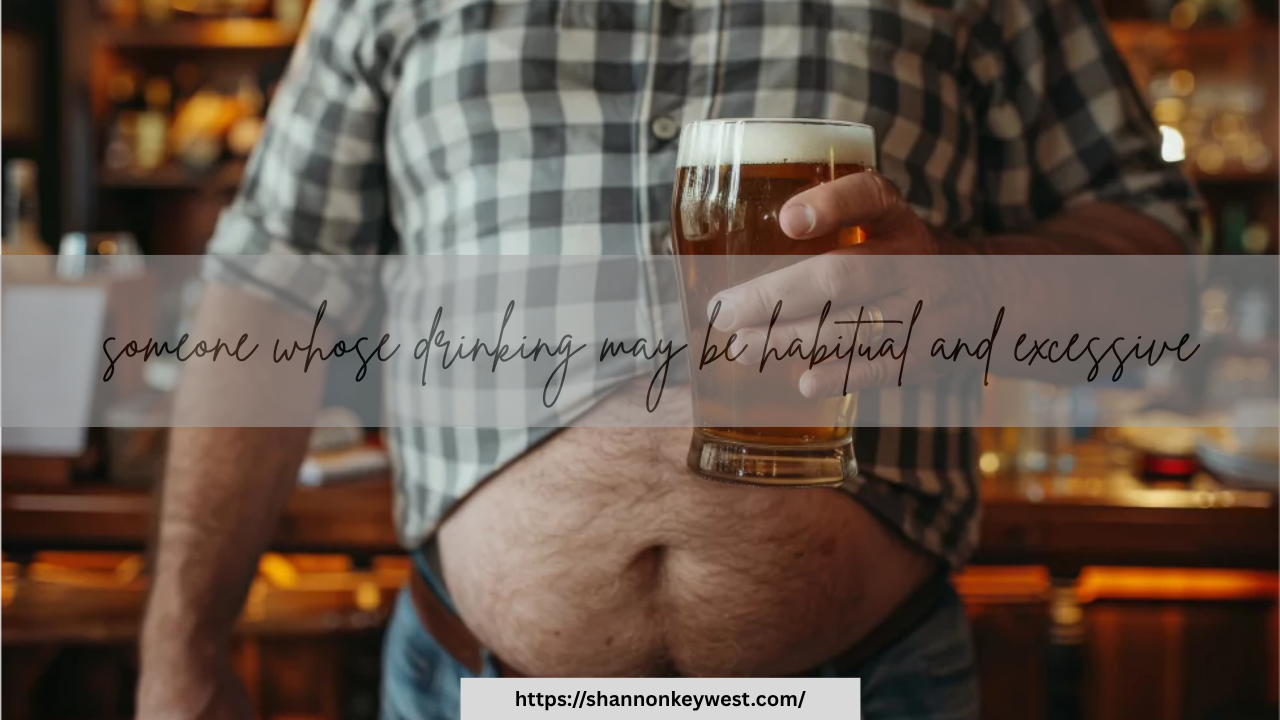
Beer drinking has long been associated with camaraderie, celebration, and relaxation. In many cultures, it’s a normal part of social life — from cheering at sports events to unwinding at the end of a busy day. However, for some, beer consumption goes beyond social custom and becomes a deeply rooted behavioral pattern. The “beer swiller” isn’t just someone who enjoys a pint now and then; this is someone whose drinking may be habitual, excessive, and potentially driven by psychological factors beneath the surface. So, what makes a beer swiller different from a casual drinker? And could it be more than just a social habit?

Beyond the Glass: Habit vs. Compulsion

At first glance, beer swilling might appear to be a harmless routine. It often begins in social settings — after-work drinks, weekend parties, or game nights with friends. But when beer becomes a regular fixture in someone’s life, especially outside of social settings, the motivation behind that behavior warrants deeper exploration.

Psychologically, repeated behaviors can become automatic. If someone drinks beer to unwind after stress, their brain begins to associate beer with relief. Over time, this connection can evolve into a subconscious coping mechanism — the person doesn’t just want a beer; they need it to feel normal or calm. This is when habit edges into psychological dependency.

Emotional Triggers and the Need to Numb

Many beer swillers aren’t driven by social pressures alone. Emotional distress — such as anxiety, loneliness, or unresolved trauma — can be powerful motivators. Drinking becomes a way to avoid difficult feelings or silence inner discomfort. Rather than confronting stress or sadness, the beer swiller uses alcohol to push those emotions down. Over time, this creates a cycle: emotional discomfort leads to drinking, which leads to temporary relief, but ultimately reinforces avoidance — never addressing the root cause.

Identity and Social Conditioning

There’s also a psychological identity tied to being a “beer guy” or “beer gal.” For some, this image becomes part of who they are. Beer culture — with its festivals, craft tasting, and memes — can give people a sense of belonging. It reinforces the idea that drinking beer is not only acceptable but almost expected in certain circles. This identity can make it harder for someone to step back and question their behavior, because doing so may feel like they’re losing a part of themselves or distancing from their social group.

The Risk of Normalizing Excess

Psychologically, one of the greatest risks for the beer swiller is normalization. If heavy drinking is treated as “just who I am” or “what we all do,” it’s easy to overlook the warning signs of dependency. The behavior feels normal because it’s common — but normal isn’t always healthy.

Conclusion: Looking Beneath the Surface

The psychology of the beer swiller reveals that drinking isn’t always about fun or flavor. Often, it’s about emotion, identity, habit, and coping. While not every beer enthusiast has a problem, understanding the underlying motivations behind frequent drinking is essential. When beer becomes a daily tool for managing life or escaping from it, it’s time to ask whether it’s truly a social habit — or something much deeper.

When Does Beer Swilling Become an Addiction? Signs You Shouldn’t Ignore

Beer is often associated with relaxation, celebration, and social bonding. For many, enjoying a cold beer after work or during a weekend barbecue is nothing out of the ordinary. But what happens when that occasional beer becomes a daily ritual, or when one turns into five without much thought? This is the slippery slope of beer swilling — a behavior that can quietly evolve into a serious addiction if left unchecked.

Beer swilling, by definition, suggests drinking in excess or with regularity, often without concern for quantity or frequency. While not everyone who drinks heavily is an alcoholic, beer swilling can be an early warning sign that a person’s relationship with alcohol is becoming unhealthy.

The Shift from Habit to Addiction

Addiction rarely begins overnight. It usually starts with a pattern — perhaps drinking to unwind after a tough day. Over time, the occasional beer becomes a daily habit, and soon, it’s difficult to go without it. This progression is where beer swilling becomes more than a quirky habit — it becomes a dependency.

The key difference between casual drinking and addiction lies in control and consequence. A person who swills beer regularly may lose the ability to moderate their intake. They may find themselves drinking even when they promised themselves they wouldn’t, or choosing beer over responsibilities and relationships.

Warning Signs You Shouldn’t Ignore

Recognizing the early signs of addiction can help stop the cycle before it becomes entrenched. Here are some key indicators that beer swilling may be crossing into dangerous territory:

  1. Increased Tolerance
    You need more beer than before to feel relaxed or buzzed. This change indicates that your body is adapting to the alcohol, a classic sign of dependence.

  2. Drinking Alone or in Secret
    If beer drinking shifts from a social activity to something done alone or hidden from others, it’s a major red flag.

  3. Loss of Control
    You regularly intend to have “just one or two,” but end up drinking far more. If stopping is difficult once you start, that’s a warning sign.

  4. Using Beer to Cope
    Turning to beer as a solution to stress, sadness, anxiety, or boredom often indicates emotional dependence — a common pathway to addiction.

  5. Neglecting Responsibilities
    If your drinking starts affecting your work, family life, or personal goals, it’s time to reassess.

  6. Withdrawal Symptoms
    Feeling irritable, anxious, shaky, or depressed when not drinking could indicate physical dependence on alcohol.

  7. Failed Attempts to Cut Back
    If you’ve tried to reduce your beer intake and failed repeatedly, your body and brain may already be hooked.

Taking the First Step

If any of these signs resonate, it doesn’t mean you’re hopelessly addicted — but it does mean it’s time for reflection. Early intervention is powerful. Talking to a doctor, therapist, or support group can be the first step toward regaining control and redefining your relationship with alcohol.

Conclusion

Beer swilling may seem harmless at first, but it can be a mask for deeper issues and a gateway to long-term addiction. Recognizing the signs early on is crucial. Awareness is not about shame — it’s about empowerment. By paying attention to your habits and being honest with yourself, you can make healthier choices and, if needed, seek support before addiction takes hold.

4o

Beer Swiller or Casual Drinker? Understanding the Fine Line Between Habit and Addiction

Beer drinking has been a staple of social life for centuries. For some, it’s a relaxing way to unwind after a long day, a ritual shared with friends or family, or even a way to celebrate life’s milestones. But for others, beer drinking can cross a line, shifting from a casual habit to something far more harmful. The term “beer swiller” has become colloquial, often used to describe someone who drinks beer frequently or in large quantities. But is this behavior just a harmless pastime, or could it be an indication of a deeper problem?

Understanding the difference between a casual drinker and someone struggling with addiction is crucial, not just for those affected, but for friends, family, and society as a whole. While casual drinking can remain a socially acceptable activity for many, the transition to a more compulsive habit is where the lines can blur.

The Casual Drinker: Social, Moderated, and Enjoyable

A casual drinker is someone who enjoys a beer now and then, perhaps during a weekend barbecue or a night out with friends. This person drinks in moderation, enjoys the experience, and doesn’t feel the need to drink regularly. Their beer consumption is usually linked to social events or occasional indulgence, and it doesn’t interfere with daily responsibilities or relationships.

Casual drinkers typically have control over when and how much they drink. They understand the importance of moderation and can go days or even weeks without having a drink, without experiencing any physical or emotional withdrawal symptoms. Their relationship with alcohol is balanced and often seen as part of a healthy social dynamic.

The Beer Swiller: When Drinking Becomes a Habit

A “beer swiller” is someone who consumes beer more regularly, often daily or multiple times a week. While not necessarily an alcoholic, a beer swiller may have developed a habit of drinking beer as a form of stress relief or as part of a routine. Over time, this behavior can become ingrained, to the point where beer drinking becomes a significant part of their lifestyle. The frequency of drinking might increase, but it doesn’t always lead to a complete loss of control.

However, the defining characteristic of a beer swiller lies in their reliance on alcohol. While they may not show signs of full-blown addiction, they may begin to rely on beer as a coping mechanism for stress, anxiety, or boredom. Drinking may become a way to escape negative emotions or a means to wind down after a hard day. In some cases, the habit may evolve to the point where the beer swiller feels a sense of discomfort or even cravings when they go without alcohol for extended periods.

The Fine Line: When Habit Turns Into Addiction

The transition from a casual drinker or beer swiller to someone struggling with addiction can be gradual, making it hard to spot the shift at first. Addiction to alcohol is characterized by a loss of control over drinking, cravings, and continued use despite negative consequences. When drinking starts to interfere with one’s daily life, responsibilities, and relationships, it can be a sign that the habit has crossed over into addiction.

Several warning signs indicate that beer drinking may be slipping into the realm of addiction:

  • Increased Tolerance: The person needs to drink more to feel the same effects.
  • Physical or Emotional Dependence: They experience withdrawal symptoms (like shaking or irritability) when not drinking.
  • Neglecting Responsibilities: Drinking starts to interfere with work, relationships, or daily obligations.
  • Drinking to Cope: Using beer as a way to manage stress, anxiety, or emotional pain becomes the primary reason for drinking.

While the line between casual drinking and addiction may appear blurry, it’s important to pay attention to the effects that drinking has on one’s life. Recognizing the early warning signs of alcohol addiction can prevent further escalation and encourage individuals to seek help before their drinking habits spiral out of control.

Conclusion: Knowing the Difference

The distinction between a casual drinker and a beer swiller or someone struggling with addiction is not always clear-cut. However, understanding the difference lies in recognizing the impact that alcohol has on one’s life. Casual drinkers are in control of their habits, while beer swillers may begin to rely on alcohol for emotional or psychological reasons. It’s when these patterns evolve into dependency and disrupt daily functioning that the fine line between habit and addiction becomes undeniably apparent. Awareness and early intervention are key to addressing any potential alcohol-related problems before they develop into a full-blown addiction.

Brahms and Beer: How Pints Fueled the Passion of a Musical Genius

Johannes Brahms, one of the most revered composers of the Romantic era, was known not only for his symphonies, concertos, and chamber works but also for his deep affection for beer. Unlike some of his contemporaries who indulged in wine or spirits, Brahms found his creative solace in the hearty embrace of a well-poured pint. His love for beer was not just a personal indulgence but a social and cultural habit that influenced his daily life and perhaps even his music.

A Composer’s Favorite Brew

Born in 1833 in Hamburg, Germany, Brahms grew up in a city with a rich beer culture. Hamburg, being a major port, was home to numerous breweries that produced some of the finest ales and lagers in the region. It is no surprise, then, that Brahms developed a taste for beer early in life. Later, when he settled in Vienna—a city with an equally passionate beer culture—his fondness for beer only deepened.

Brahms was known to frequent beer halls and taverns, where he would spend long hours discussing music, literature, and philosophy with friends and fellow musicians. Unlike the more aristocratic Ludwig van Beethoven, who often drank wine, Brahms preferred the communal and unpretentious atmosphere of beer halls. His evenings were frequently spent in places like the famed Red Hedgehog Tavern in Vienna, where he could enjoy a robust lager while engaging in lively conversation.

Beer as a Creative Companion

For Brahms, beer was more than just a drink—it was an essential part of his creative process. Many accounts suggest that he composed some of his finest works with a mug of beer by his side. While some may argue that alcohol dulls the senses, Brahms seemed to use it to relax and open his mind to inspiration. He was a notoriously disciplined composer, often revising his works multiple times before he was satisfied. However, beer may have provided him with the comfort and ease to tackle the immense pressures of composing.

One famous anecdote describes how Brahms would frequently tip bartenders and servers with musical sketches, jotting down melodies or harmonic ideas on napkins or scraps of paper while enjoying his drink. Though many of these sketches were lost, some may have found their way into his final compositions.

The Social Side of Brahms’ Beer Habit

Brahms was known for his gruff and sometimes prickly personality, but those who shared a beer with him often saw a warmer, more humorous side. Drinking beer was his way of connecting with others, whether fellow composers, musicians, or admirers of his music. Unlike the solitary image of many great composers, Brahms thrived in the social atmosphere of the beer halls, where he could share ideas and enjoy camaraderie.

Conclusion

Johannes Brahms’ love for beer was an inseparable part of his life, shaping not only his personal habits but also his artistic process. Whether he was raising a glass in a Vienna tavern or using beer as a creative lubricant for his compositions, it is clear that beer played a role in fueling the passion of this musical genius. Perhaps, next time you listen to a Brahms symphony, you might raise a pint in his honor.