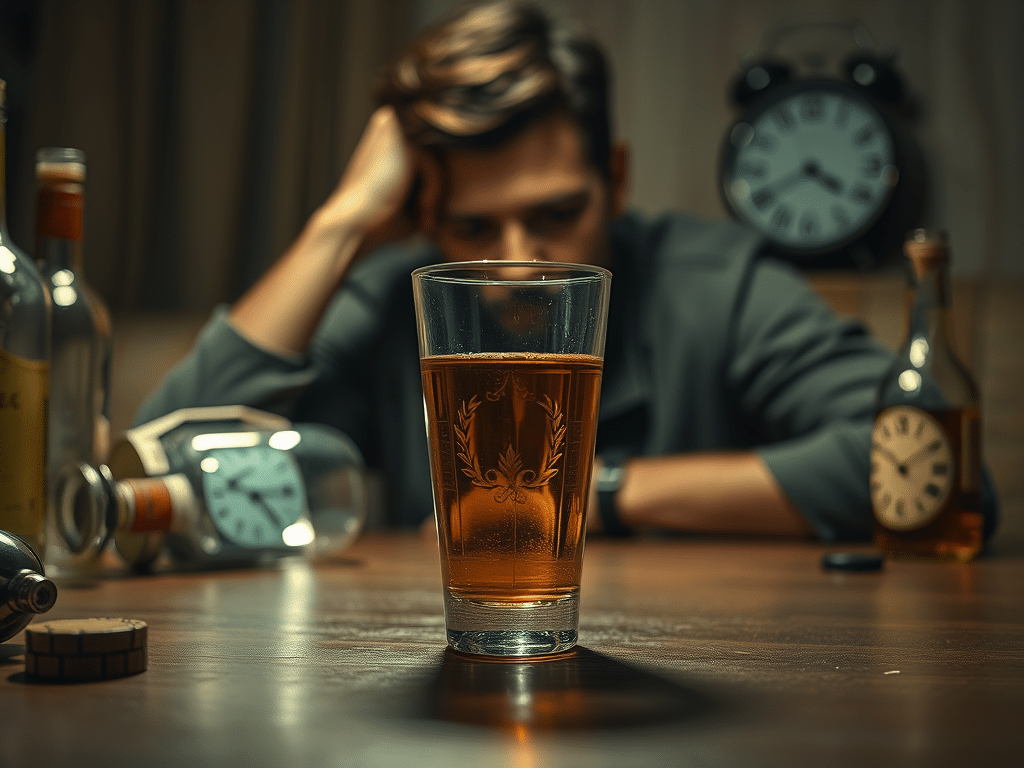
 Being able to enjoy a beer does not automatically mean someone has an alcohol problem. However, when drinking becomes difficult to control, starts affecting daily responsibilities, or becomes the main way to cope with stress, it may be time to take a closer look. Heavy beer drinking can gradually affect physical health, emotional wellbeing, relationships, and decision-making. Recognizing the warning signs early can help someone understand when professional alcohol addiction treatment may be beneficial.
Many people who struggle with alcohol do not immediately recognize the seriousness of their drinking habits. They may believe they can stop whenever they choose, even after several unsuccessful attempts to cut back. Understanding the difference between occasional drinking and problematic alcohol use is an important first step toward making healthier choices.
Understanding When Beer Drinking Becomes a Problem
Beer is sometimes viewed as less harmful than other alcoholic beverages. Because it is widely available and commonly associated with social activities, heavy beer consumption can become normalized. However, beer contains alcohol, and drinking large amounts or consuming it frequently can contribute to alcohol dependence and other health concerns.
The amount someone drinks matters, but so does the relationship they develop with alcohol. For example, a person who regularly drinks to manage anxiety, escape difficult emotions, or fall asleep may be developing an unhealthy pattern.
Alcohol use disorder is a medical condition that can involve difficulty controlling alcohol consumption despite negative consequences. It can affect people from different backgrounds, professions, and age groups. It is not simply a lack of willpower.
Warning Signs That You May Be Losing Control of Your Drinking
Recognizing changes in drinking behavior can help prevent further harm. Although every person’s experience is different, several warning signs may indicate that alcohol use deserves professional attention.
You Regularly Drink More Than You Intended
One common warning sign is repeatedly drinking more beer than planned. You might intend to have one or two drinks but continue drinking throughout the evening. This can happen even when you have responsibilities the following morning or previously decided to limit your alcohol consumption.
If this pattern occurs frequently, it may indicate that controlling your drinking is becoming increasingly difficult.
You Have Tried to Cut Back Without Success
Perhaps you have promised yourself that you would only drink on weekends, avoid drinking at home, or take a break from alcohol. However, after a short period, you return to your previous habits.
Repeated attempts to reduce alcohol consumption that do not last can be a sign of developing alcohol dependence. Rather than blaming yourself, consider whether professional support could help identify what makes cutting back difficult.
Drinking Has Become Your Main Way to Handle Stress
Many people use alcohol to unwind after a demanding day. A cold beer may initially seem like an easy way to relax. Over time, however, relying on alcohol to manage stress can create an unhealthy cycle.
You may begin drinking whenever you feel frustrated, anxious, lonely, or overwhelmed. Eventually, it can become difficult to relax or enjoy activities without alcohol.
Learning healthier coping strategies through mental health treatment and addiction counseling can help address the emotional patterns behind problematic drinking.
You Experience Cravings or Feel Irritable Without Beer
Thinking frequently about your next drink, feeling strong urges to consume alcohol, or becoming restless when you cannot drink may indicate that alcohol has become a significant part of your routine.
Some people also develop a tolerance, meaning they need more beer to experience the effects they previously felt after drinking smaller amounts. These changes can be warning signs of alcohol dependence.
Your Relationships and Responsibilities Are Suffering
Alcohol-related problems do not always appear as obvious health emergencies. Sometimes, the effects become noticeable through everyday situations.
You might miss work, neglect household responsibilities, argue with family members, or withdraw from friends because of drinking. Loved ones may also express concern about your alcohol consumption.
If drinking repeatedly creates conflict or interferes with important responsibilities, it is worth considering professional help.
How Heavy Beer Drinking Affects Mental and Physical Health
Alcohol affects more than the liver. Regular heavy consumption can influence several systems in the body and contribute to mental health difficulties.
The Connection Between Alcohol and Mental Health
Alcohol changes brain activity and can affect mood, sleep, concentration, and emotional regulation. Although drinking may temporarily reduce feelings of tension, it can contribute to increased anxiety and depressive symptoms over time.
For individuals already experiencing mental health challenges, alcohol may make symptoms harder to manage. It can also interfere with prescribed medications and complicate treatment.
This is why effective addiction treatment should consider both substance use and mental health. Addressing only the drinking behavior may leave important underlying concerns unresolved.
Physical Health Risks of Regular Heavy Drinking
Frequent heavy beer consumption can increase the risk of several health problems, including:
- Liver inflammation and alcohol-related liver disease.
- High blood pressure and cardiovascular complications.
- Digestive problems and nutritional deficiencies.
- Disrupted sleep and persistent fatigue.
- Increased risk of certain cancers.
- Difficulty maintaining healthy weight and energy levels.
The effects depend on several factors, including drinking patterns, overall health, and individual circumstances. A healthcare professional can help assess personal risks and recommend appropriate care.
Why It Can Be Difficult to Stop Drinking Without Support
Someone may recognize that beer is affecting their life but still struggle to change their behavior. This does not mean recovery is impossible. Alcohol dependence can involve physical, psychological, and environmental factors that make stopping difficult.
Stress, unresolved trauma, depression, anxiety, social pressure, and familiar routines can all contribute to continued drinking.
Furthermore, people who have consumed alcohol heavily or regularly may experience withdrawal symptoms when they suddenly stop. These can include sweating, shaking, nausea, anxiety, and sleep disturbances. Severe withdrawal can involve seizures or delirium and can become life-threatening.
If you are concerned about alcohol dependence, consult a qualified healthcare professional before stopping abruptly. Medical guidance can help determine whether supervised withdrawal management is necessary.
How Professional Addiction Treatment Can Help
Professional alcohol addiction treatment provides structure, clinical guidance, and practical strategies for changing unhealthy drinking patterns. The right approach depends on the person’s health, history of alcohol use, mental health needs, and available support system.
Inpatient Treatment for More Intensive Support
Inpatient or residential treatment may be appropriate for individuals who need a structured environment away from everyday triggers. Depending on the program, care may include medical assessment, withdrawal management, individual counseling, group therapy, and recovery planning.
A structured setting can provide time to focus on the factors contributing to alcohol use while developing healthier routines.
Outpatient Treatment for Continued Recovery
Outpatient treatment allows individuals to receive professional support while continuing to manage certain work, family, and personal responsibilities.
Services may include scheduled therapy sessions, addiction counseling, group support, and mental health care. Outpatient treatment can be suitable for people whose clinical needs and living circumstances make this level of care appropriate.
A qualified treatment professional can help determine whether inpatient or outpatient services are the safer and more effective option.
Individualized Care That Addresses More Than Drinking
Alcohol use often has underlying causes that deserve attention. Individualized treatment considers the person’s emotional wellbeing, physical health, personal history, and recovery goals.
Depending on clinical needs and program availability, treatment may incorporate evidence-based therapies, mental health services, faith-based support, and complementary wellness practices.
The goal is not simply to stop drinking. It is also to develop healthier ways to manage stress, strengthen relationships, improve emotional regulation, and maintain progress over time.
Practical Steps Toward Changing Your Drinking Habits
If you are questioning whether you can control your beer drinking, you do not need to wait until the consequences become severe before seeking help.
Consider these practical steps:
- Be honest about your drinking patterns. Pay attention to how often you drink, how much you consume, and what situations trigger the urge to drink.
- Recognize the consequences. Consider whether alcohol affects your sleep, mood, finances, work, relationships, or physical health.
- Talk to someone you trust. A supportive conversation with a family member, friend, or healthcare professional can help you take the next step.
- Seek a professional assessment. An addiction specialist or qualified healthcare provider can help evaluate your drinking habits and recommend an appropriate level of care.
- Build healthier coping skills. Therapy and recovery support can help you manage difficult emotions without relying on alcohol.
These steps are not a substitute for medical care, particularly if physical dependence may be present. Getting an appropriate assessment is an important part of making a safe plan.
Taking the Next Step Toward Alcohol Recovery
Questioning your beer drinking habits can be uncomfortable, especially if alcohol has become part of your social life or daily routine. However, recognizing that something needs to change is an important step toward protecting your health and wellbeing.
If you regularly drink more than intended, struggle to cut back, experience cravings, or notice that alcohol is affecting your relationships and mental health, professional support may help. Inpatient and outpatient treatment options, individualized counseling, mental health services, and appropriate wellness support can all play a role in recovery.
You do not have to wait for a crisis before asking for help. Speak with a qualified healthcare or addiction treatment professional to understand your options and determine what level of care is right for you. With the right guidance and a realistic recovery plan, it is possible to develop healthier habits and build a life that is no longer controlled by alcohol.